Borrow, Share, Save: Cutting Waste and Carbon Together in the UK
Join a hopeful journey into the environmental impact of item sharing, focusing on how borrowing tools, appliances, and occasional-use goods reduces waste and CO2 in UK communities. We will explore practical examples, thoughtful numbers, and inspiring local stories that reveal why sharing beats buying for the planet and for our wallets. Expect actionable steps, transparent methods, and opportunities to connect with neighbours, libraries of things, and repair groups determined to build a fairer, cleaner, more resilient future across towns, cities, and villages.

Why Borrowing Beats Buying
Every product arrives with hidden emissions from extraction, manufacturing, packaging, and transport, long before it touches a checkout. By borrowing the drill, steam cleaner, projector, or tent you use only occasionally, you avoid triggering another production cycle, keeping carbon and materials in the ground. Across the UK, cupboards overflow with barely used items that quietly age, clutter homes, and eventually become difficult-to-recycle waste. Sharing transforms that idle capacity into community value, turning scarcity into abundance while shrinking footprints without sacrificing convenience or pride.




Numbers That Matter: Estimating CO2 and Waste Savings
Clear methods turn good intentions into accountable impact. To estimate savings, start with the product’s embodied carbon and expected lifetime uses, then consider how many purchases are avoided through sharing. Factor transport choices, repair rates, and whether borrowing genuinely replaces buying. Even conservative displacement assumptions reveal impressive results when scaled across bustling neighborhoods. Transparent calculations help councils, funders, and residents understand what works, where to improve, and how to prioritize items that deliver the biggest environmental wins without compromising affordability, safety, or genuine convenience for borrowers.
Stories From UK Streets and Sheds
The drill that built a dozen homes
A single robust drill, adopted by a community group, helped volunteers install shelves, curtains, and safety fittings in a row of newly rented flats. Each household avoided buying a rarely used tool, and the group maintained bits, batteries, and chargers for reliability and safety. More importantly, people met, shared tea, and swapped local recommendations. The project’s real legacy was confidence: residents realized they could tackle simple jobs together, saving time, money, and emissions while demystifying the tools that once felt intimidating and out of reach.
A wedding saved from waste
Instead of buying decorations, lighting, and speakers destined for a single day’s use, a couple reserved a weekend bundle from their neighborhood library of things. Volunteers offered setup tips, cable checklists, and spare batteries. After the celebration, everything returned cleaned, tested, and ready for the next event. What might have ended as a car boot of mixed plastics and dead electronics became a circular loop of joy. Guests loved the story, and several later borrowed camping gear together, turning celebrations into connections and long-term low-carbon habits.
Students, startups, and second chances
Students borrowed sewing machines to tailor charity shop finds, saving money and avoiding fast fashion’s footprint. A fledgling catering startup tested equipment before investing, learning exactly which specs mattered. A recently unemployed neighbor gained confidence after training as a volunteer technician, repairing a string of faulty kettles and vacuums. These varied outcomes—economic, social, environmental—grew from one accessible catalog and a welcoming doorway. Each borrow stitched another thread into the neighborhood fabric, proving that climate action can feel immediate, useful, and surprisingly joyful when shared openly.
Designing a Sharing System That Works
Great intentions falter without thoughtful operations. Successful lending requires clear booking flows, accurate availability, sensible fees, and staff or volunteers trained in safety checks and friendly instruction. Items need durable tags, maintenance logs, spares, and cleaning protocols that keep everything dependable. Insurance, deposits, and agreements must be fair and understandable. Accessibility matters, too: opening hours, transport links, and multilingual instructions expand who can confidently borrow. With practical governance, transparent reporting, and a welcoming culture, sharing becomes a reliable utility rather than a fragile experiment.
Quality, safety, and trust
Trust grows when equipment works first time and guidance is easy. Standardize pre-loan checks, provide quick-start cards, and record issues in a shared log. Keep consumables and spare parts on hand, and retire unsafe items promptly with clear communication. Offer brief demos for trickier tools, and celebrate attentive borrowers who report small faults early. This blend of professionalism and neighborliness reassures first-timers, attracts families and tradespeople, and turns occasional borrowers into returning members who advocate for the service because it consistently delivers safe, dependable experiences.
Fair pricing and access
A sliding scale or membership credit model keeps borrowing affordable while covering maintenance and growth. Concessions for students, jobseekers, and community groups widen participation, while deposit alternatives ensure people without spare cash are not excluded. Publish pricing strategies and impact data to build legitimacy with councils and funders. Encourage donations of durable, repairable items, and reject poor-quality goods that create hidden costs. When money, dignity, and transparency align, the service becomes both equitable and financially healthy, resilient enough to serve every postcode without compromising on reliability.
Data that guides decisions
Track utilization, reservations, repairs, and item ratings to understand what the community really needs. Retire dusty catalogue entries, expand high-impact categories, and refine opening hours based on actual patterns rather than hunches. Pair operations data with brief borrower surveys to estimate displacement rates and travel modes. Publish periodic summaries, showing how each pound supports measurable carbon and waste savings. These small, democratic dashboards help volunteers prioritize efforts, win grants, and celebrate wins together, transforming abstract sustainability targets into visible, shared progress that keeps momentum strong.
Beyond Things: Repair, Reuse, and Local Resilience
Sharing thrives alongside thriving repair and reuse cultures. When parts, skills, and confidence circulate, items live longer and communities become more self-reliant. Repair cafes teach diagnostics, safety, and patience, while swap events and preloved markets extend lifecycles for clothing, furniture, and electronics. With each fix, we retain materials, memory, and meaning. This strengthens neighbors’ ability to respond to price shocks and supply disruptions, turning sustainability into everyday normality rather than a special project reserved for the most motivated or already well-resourced households.
Repair as a community ritual
Fixing things together builds bonds stronger than warranties. A patient volunteer helps someone open a stubborn case; another shares a box of saved screws; someone else brews tea and keeps the parts table tidy. Successes are cheered, failures are learned from, and a notebook records tips to save the next device. These gentle circles normalize maintenance over replacement, passing on confidence across generations. Bit by bit, repair becomes a neighborhood habit, keeping goods working, wallets fuller, and the waste bin lighter through shared competence and care.
From linear to circular habits
Linear habits say buy, use, discard; circular habits say borrow, maintain, share, fix, and finally recycle with dignity. Transitioning requires tiny frictions to be removed and tiny delights to be amplified. Friendly booking systems, clear instructions, and predictable opening hours reduce barriers. Visible impact numbers and cheerful stories increase motivation. Schools, libraries, and youth clubs become gateways, normalizing circular behaviors early. Over time, expectations change: it becomes perfectly ordinary to borrow a jigsaw on Thursday, mend a jacket on Saturday, and leave Sunday gloriously clutter-free.
Resilience during disruptions
When storms, strikes, or supply chain crunches hit, communities with sharing and repair networks bounce back faster. People already know where to find generators, pumps, or spare chargers, and they have relationships that enable quick coordination. Borrowers understand how to use equipment safely, and volunteers can triage repairs to keep essentials functioning. This readiness is climate adaptation in practice, built through many small, ordinary exchanges. It protects vulnerable neighbors, reduces panic buying, and lessens wasteful over-procurement, proving that local cooperation is a quiet form of security.
How You Can Join and Multiply the Impact
Impact accelerates when many hands act together. Start with one simple borrow, then invite a friend. Offer an idle but durable item to your local library of things, or volunteer for a monthly maintenance session. Share your story online and tag your councilor, school, or workplace. Ask shops to host pickup points, and encourage cycling or walking to reduce travel emissions. Subscribe for updates, join community meetings, and help refine transparent metrics. Small, steady contributions stack into visible, shared victories that keep momentum real and hopeful.

Start with one borrow this week
Pick an item you have considered buying but rarely need: a carpet cleaner, pressure washer, or film projector. Reserve it, read the quick-start guide, and note how easy the process feels. Did you avoid a purchase? How did you travel? Share your observations with organizers, so they can improve instructions, hours, or inventory. That one borrow is more than convenience; it is a data point, a conversation starter, and a small but concrete climate action that turns intention into measurable, neighborly progress anyone can repeat confidently.
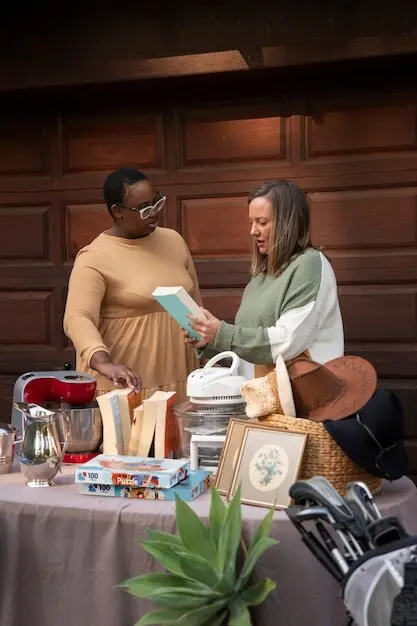
Donate idle tools the smart way
Before donating, check the wish list and quality standards to avoid passing along hard-to-repair items. Test batteries and accessories, label missing parts, and include any manuals. Durable, repairable tools with available spares create long-lasting value, while low-quality gadgets often impose hidden costs. Ask about refurbishment days and consider funding a spare battery or replacement blade. Thoughtful donations can seed entire categories, enabling dozens of households to meet needs without buying new. It is generosity with climate dividends, guided by care for both people and planet.

Policy, Infrastructure, and the Net Zero Journey
Local and national policy can accelerate everyday climate wins. Net Zero 2050 will not be met by technology alone; it also requires convenient, affordable access to low-carbon choices like borrowing and repair. Councils can integrate sharing into waste strategies, planning policies, and community grants. Producers can design for durability, modularity, and right-to-repair compliance. Standards for safety checks, data reporting, and interoperability help networks collaborate. With small, practical reforms, sharing shifts from a niche curiosity to a reliable public asset woven into civic life.
All Rights Reserved.